




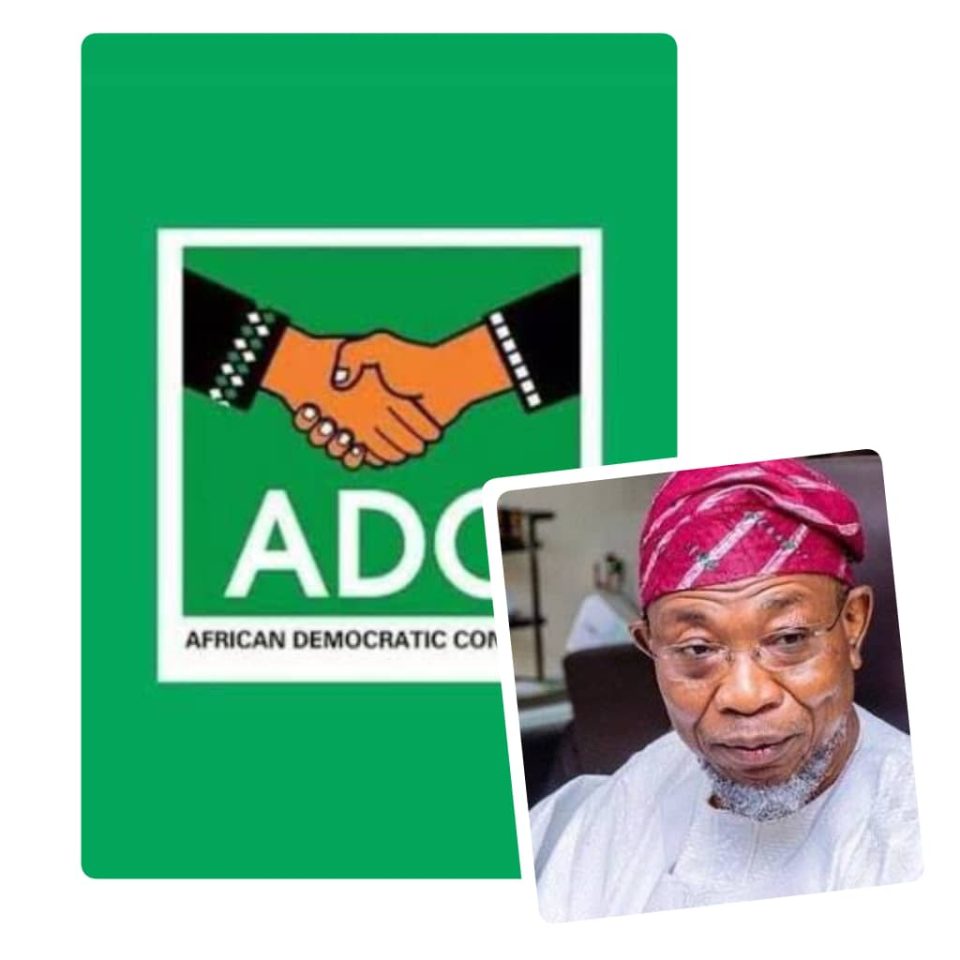
The political atmosphere in Nigeria’s Southwest has shifted significantly following an unprecedented surge in online membership registration by the African Democratic Congress. Within just 48 hours of launching its upgraded digital portal, the party reportedly recorded over one million new sign-ups, with the bulk of the momentum traced to the Southwest. Analysts widely attribute this dramatic response to the enduring regional clout of former Osun State governor, Rauf Aregbesola, whose political structures and loyal following remain deeply entrenched across the zone.
The ADC’s decision to activate a free nationwide digital registration platform came on the heels of its physical membership and revalidation exercise launched in Abuja last month. Party officials describe the move as both strategic and necessary, particularly in view of the Electoral Act 2026, which mandates credible, verifiable, and digitally maintained party registers. Under the new framework, only members properly captured and authenticated in the official database will be eligible to vote or stand as candidates in party primaries, a provision designed to strengthen internal democracy.
Yet compliance alone does not explain the speed and scale of the Southwest response. The phenomenon widely described as the Aregbesola effect appears to have converted political sympathy into measurable digital action. Across Osun, Lagos, Ogun, Oyo, Ondo, and Ekiti states, established grassroots networks, ward coordinators, youth blocs, and ideological allies reportedly mobilised swiftly, encouraging supporters to align with the ADC. Years of political organisation and movement building have evidently provided a ready structure capable of translating influence into numbers within record time.
Beyond personality politics, the surge also signals a broader recalibration within the region’s political landscape. Many observers interpret the mass registration as an indication of growing appetite for alternative platforms and a restructuring of opposition dynamics. The Southwest has historically played a decisive role in shaping national political currents, and this rapid mobilisation suggests that key actors and voter blocs are reassessing alignments ahead of future electoral contests.
Since February, when the ADC began its nationwide grassroots registration drive, interest had been steadily building across the country and within diaspora communities. The introduction of the online option significantly lowered participation barriers, allowing professionals, artisans, students, and organised support groups to enrol seamlessly. Members who registered under the previous system are now required to revalidate their details on the upgraded portal to ensure full compliance with regulatory standards and electoral guidelines.
While the party continues to voice reservations about aspects of the Electoral Act 2026 and the timetable issued by INEC, it maintains that institutional strengthening remains its priority. In the Southwest, however, the headline is unmistakable. The rapid accumulation of over one million registrations in less than two days underscores not merely administrative efficiency but a potent combination of political influence, organisational readiness, and shifting voter sentiment. At the centre of this development stands Aregbesola, whose regional imprint appears to have catalysed one of the most remarkable digital mobilisations in recent Nigerian party politics.
