




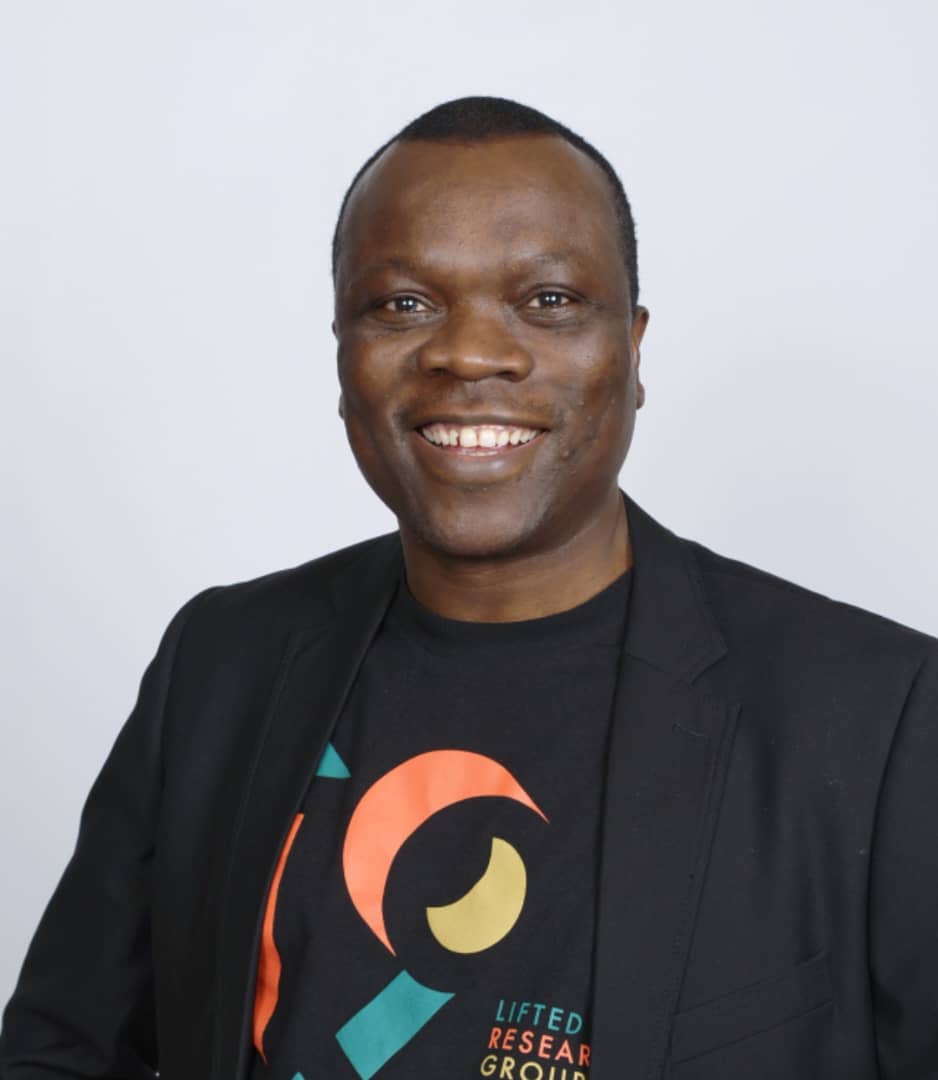
Dr. Ope Banwo has criticised what he described as Nigeria’s “culture of denial and deflection” following the controversy surrounding government spokesman Daniel Bwala’s recent interview on Al Jazeera.
Bwala’s appearance on the programme, hosted by journalist Mehdi Hasan, drew widespread attention after the interviewer confronted him with video recordings of previous statements that appeared inconsistent with his responses during the discussion.
The interview quickly went viral on social media, prompting heated debate among Nigerians about the conduct of both the journalist and the government spokesman.
However, Banwo said he was surprised that much of the public reaction focused on criticising Hasan’s interviewing style rather than addressing the issues raised during the programme.
According to him, the tendency to attack critics rather than confront the substance of their questions reflects a broader pattern within Nigeria’s political discourse.
“A government spokesman appears on international television, gets confronted with video evidence, and instead of focusing on the facts, the debate shifts to blaming the journalist,” Banwo said.
He argued that such reactions demonstrate what he described as a national habit of deflecting criticism rather than confronting uncomfortable truths.
Banwo also pointed out that Bwala defended himself during the interview by noting that problems such as terrorism and governance challenges also exist in other parts of the world.
While acknowledging that no country is without difficulties, Banwo said such comparisons do not directly answer questions about Nigeria’s own challenges.
He further criticised Bwala’s claim that he had not been informed that the interview would involve questions about his personal record, noting that such scrutiny is a normal feature of political interviews.
Banwo said the controversy surrounding the interview should encourage Nigerians to reflect on how they respond to criticism, particularly when it comes from international media.
According to him, addressing problems openly rather than dismissing critics is essential for national progress.
“The focus should not be on attacking the messenger,” he said, “but on examining whether the criticism being raised is valid.”
The debate sparked by the interview continues to generate reactions across Nigeria’s political and media landscape, with analysts describing it as another example of how international interviews can quickly become domestic political flashpoints.
